ARTICLES
Resources
Guides
Community
Showcase
Sign Up
Log in
Favorites
ARTICLES
Resources
Guides
Community
Showcase
Plant Files
Bug Files
Bird Files
Freeze/Frost Dates
Garden Watchdog
USDA Hardiness Zone Map
PlantScout
TradeTracker
Botanary
GoGardening
Forums
Plant & Seed Trading
Member List
Contests
Articles
Garden Showcase Home
Search Gardens
Log in
Create an Album
Home
/
Guides
/
Plant Files
/
Iridaceae
Japanese Water Iris, Japanese Flag, Russian Iris 'White Caps'
Iris ensata
Upload Image
Print Version
Upload Image
Print Version
Family
Iridaceae
(eye-rid-AY-see-ee)
Info
Genus
Iris
(EYE-ris)
Info
Species
ensata
(en-SA-tuh)
Info
Synonym
Hybridized
J. Copeland
Registered or introduced
2008
Height
Unknown - Tell us
Spacing
15-18 in. (38-45 cm)
18-24 in. (45-60 cm)
Hardiness
USDA Zone 5a: to -28.8 °C (-20 °F)
USDA Zone 5b: to -26.1 °C (-15 °F)
USDA Zone 6a: to -23.3 °C (-10 °F)
USDA Zone 6b: to -20.5 °C (-5 °F)
USDA Zone 7a: to -17.7 °C (0 °F)
USDA Zone 7b: to -14.9 °C (5 °F)
USDA Zone 8a: to -12.2 °C (10 °F)
USDA Zone 8b: to -9.4 °C (15 °F)
USDA Zone 9a: to -6.6 °C (20 °F)
USDA Zone 9b: to -3.8 °C (25 °F)
Sun Exposure
Full Sun
Danger
Parts of plant are poisonous if ingested
Handling plant may cause skin irritation or allergic reaction
Bloom Color
Unknown - Tell us
Foliage
Herbaceous
Class
Japanese (JI)
Bloom Time
Unknown - Tell us
Other Details
Other details
Unknown - Tell us
Propagation Methods
By dividing rhizomes, tubers, corms or bulbs (including offsets)
Seed Collecting
N/A: plant does not set seed, flowers are sterile, or plants will not come true from seed
Soil pH requirements
5.1 to 5.5 (strongly acidic)
5.6 to 6.0 (acidic)
6.1 to 6.5 (mildly acidic)
Patent Information
Non-patented
Awards (if applicable)
Unknown - Tell us
Foliage Color
Unknown - Tell us
Bloom Characteristics
Unknown - Tell us
Water Requirements
Requires consistently moist soil; do not let dry out between waterings
Very high moisture needs; suitable for bogs and water gardens
Where to Grow
Unknown - Tell us
Regional
This plant is said to grow outdoors in the following regions:
Pownal, Maine
View all varieties of Iris
View this plant in a garden
One member has or wants this plant for trade
Add to your want list
Add to your have to trade list
Featured Videos
Gardener's Notes:
Post Comment
0
positive
0
neutral
0
negative
Sort By:
Most Recent
Negative
Positive
Neutral
Post Comment
Sort By:
Most Recent
Negative
Positive
Neutral
See All
Popular Plants
SEE ALL
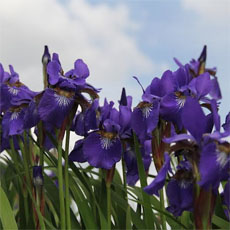
Iris
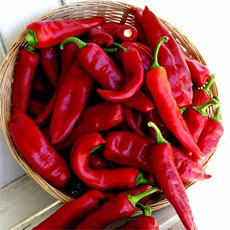
Peppers
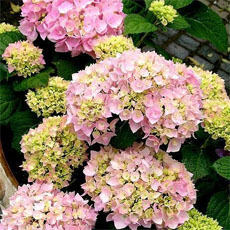
Hydrangeas
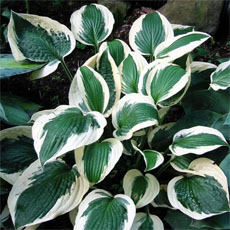
Hostas
Contribute to Dave’s Garden
Add a New Plant to the List
Featured
PLANT FILES
Worsleya Species
(Worsleya procera)
BUG FILES
Hammerhead Worm (land planarian)
(Bipalium kewense)
BIRD FILES
Common Crossbill
(Loxia curvirostra)
Quick Links
View All Families
View All Genera
View All Species
Freeze/Frost Dates
PlantFiles FAQ
Plants with no Photos
Contribute to Dave’s Garden
Add a New Plant to the List
Featured
PLANT FILES
Worsleya Species
(Worsleya procera)
BUG FILES
Hammerhead Worm (land planarian)
(Bipalium kewense)
BIRD FILES
Common Crossbill
(Loxia curvirostra)
TOP
TOP