Gardening Articles, Tips and How-tos
Garden smarter with our library of articles written by our team of expert gardeners. Daily posts include everything from beginner gardening tips to in-depth articles on botany and landscaping.

How to Grow Penstemon (Beardtongue)
An essential plant in any xeriscape, Penstemons are unsurpassed in attracting hummingbirds to your garden. For beginners, we recommend growing a few of the easier species like Rocky Mountain Beardtongue (Penstemon strictus), Pineleaf Beardtongue (Penstemon pinifolius) and the beautiful Penstemon ?Elfin Pink?. Read More

Plant Rescue or Horticultural Hoarding?
Mindless musings on cheap plants. Read More

A Gardening Primer
I'm just beginning to gardening. What are some of the things I need to know to be successful? Read More

All About Horticultural Oils
I?m sure that most of us who grow roses are familiar with horticultural oils. These were for years known as "dormant oils" due to the fact that they were only used when the plants were in a dormant state. Over the past several years improvements have been made to these products so that they can be used year 'round. Read More

The Invaders: Lamiastrum Yellow Archangel
Most of the invasive plants I have dealt with were already growing here when I moved onto my current property. In the case of Yellow Archangel, though, I was the one who brought this plant into my garden. I actually paid real money for it! I have no one to blame but myself. Read More

Four keys to organic gardening
More people than ever before are gardening organically. This doesn't really surprise me. The more time you spend in the garden, the harder it becomes to ignore what's really going on out there: the incredible interconnections, the mind boggling diversity, the delicate beauty and the high-octane intensity. It's humbling. And along with that humbling comes respect; the first and most important step to becoming a successful organic gardener. Read More

Spotlight on the Garden Watchdog Top 5 Awards
The Garden Watchdog has changed the face of mail-order sales for gardening supplies, plants and seeds. Shoppers are able to read customer service reviews for just about any company in the business. It lists over 7,000 vendors worldwide and gardeners have the ability to choose the best company to fit their needs. Each year, we honor the best in their categories, based on your reviews. We?d like to share the 2012 winners with the community in this Spotlight. Read More
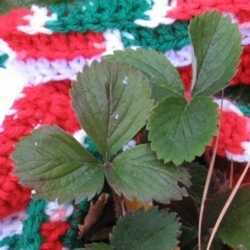
Prune and mulch backyard berries in winter, for great summer fruits
Blueberries, strawberrries, brambles of all kinds, gooseberries and currants; we love them all! Berry plants are fairly easy to grow and make great additions to a backyard organic garden. While dormant, most berry plants do appreciate some minor care during the winter. Here's the rundown on winter maintenance of your berry patch. Read More

A Crown Of Dandelions
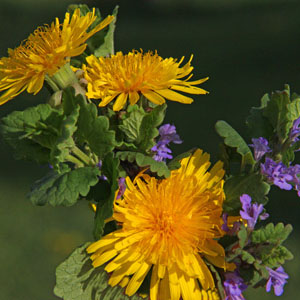
Recently I realized that dandelions have always been a part of my life. "How can that be," you ask? Well, the answer is easy: I've always loved their golden blooms on the lawns and never missed seeing them blooming in spring. But how could they be a part of my life just by blooming? Join me in this story and you'll find out! Read More

Peaches: homegrown without the hazmat suit?
Wind, rain, kids, work... I have the Fruit Tree Spray, (aka Death in a Bottle.) I just never have a chance to use it! I'm also reluctant to use chemicals in the yard or on our food crops. Is there any hope of producing home grown peaches without the scary, and schedule--challenging, spray? Read More

Make Your Own Potting Soil
It seems like in today?s world everyone is looking for convenience; the question is convenience really the best thing? I contend in the case of ready-made potting soils, it is not. Through many years of experience I?ve found most commercial potting mixes dry out too quickly and generally just don?t measure up. It?s relatively easy to make your own mixes tailored to YOUR specific needs. Read More

Ten Things to Do When You Can't Garden (But Wish You Could)
So, the weekend comes, you've got a gardening To Do List as long as your arm...and it's raining, snowing or maybe even both. Fortunately for gardeners, there's always a side project waiting or an inside chore that needs doing. Here are ten ways to pass the time if you can't spend it outside gardening: Read More

A Hardy Garden Perennial that Flowers Like an Orchid
Common flower names can be quite descriptive and uplifting (think Morning Glory), but some can be downright misleading and even have a somewhat nasty connotation. Case in point: Melittis, commonly called "Bastard Balm." Some European gardeners turn their noses up at this beauty, because it's not a true orchid and so is considered an impostor. As far as I'm concerned, doing so is their loss. Read More

Some potential benefits and medicinal uses of Pomegranate
Most parts of the pomegranate (Punica granatum) tree is useful to remedy many common day to day ailments. It is said to be a 'cure for all ills'. The pomegranate is valued as a powerful medicinal plant and used in folk medicines. Its uses also find mention in ancient pharmacological manuscripts. Its value as a wonderful 'polycrest' is too well known. Here are some of its potentials and medicinal uses of this humble tropical fruit. This shrubby little tree is quite easy to grow in home gardens. Read More

Sprouts for Salads
You don't have to have a big garden to have freshly-grown greens in your salad every day, regardless of the season. You don't even have to have a garden at all. Anyone can grow zesty, crunchy fresh sprouts in the kitchen with a minimum of effort and expense. Read More
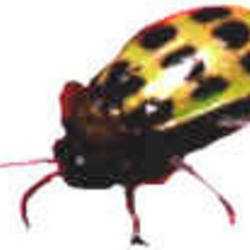
Insect Profile: Cucumber Beetles
The kids will soon be wrapping up their school year, the NHL and NBA are heading toward their respective post-seasons...and the cucumber beetles are preparing to party harder than Paris Hilton. Read More

Aralia cordata: Growing Udo
One of the great leafy vegetables from Japan that is a rare sight in American gardens is the Udo. This will be a starting look into the plant, how to grow it, and how to prepare it for consumption. Read More

Scare Tactics
Fake owls, rubber snakes, water cannons...gardeners will try just about anything to keep animals away from their prized food crops. Read More

Stressed or Damaged Trees and Shrubs: Save or Replace?
Winter weather often takes a heavy toll on our landscape elements. Breakage from ice and snow, wind damage and uprooting, and the terminal effects of salting the roads and streets for months on end. Additionally, long-term use of herbicides can detrimentally affect our trees and shrubs. One day, we look out and discover that the magnificent maple in the front yard is all but dead, or the nice evergreen hedge has yellowed. While it's better to maintain these landscape specimens with an eye to preventing the damage, sometimes we are simply faced with a difficult decision. Read More

Moles, voles, mysterious holes
Dastardly diggers lurk in the garden and strike under cover of soil. Gardeners are left staring at holes and scratching their heads. Moles and voles are common, and commonly confused with one another. Use their digging differences to identify the enemy, then take countermeasures to prevent more dirty work in the flower bed. Read More